Anti-Fog Films in Agriculture: An In-Depth Analysis of Features, Benefits, and Crop Performance
Introduction
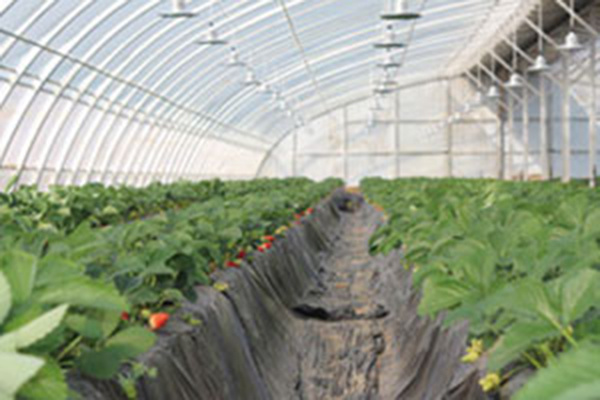
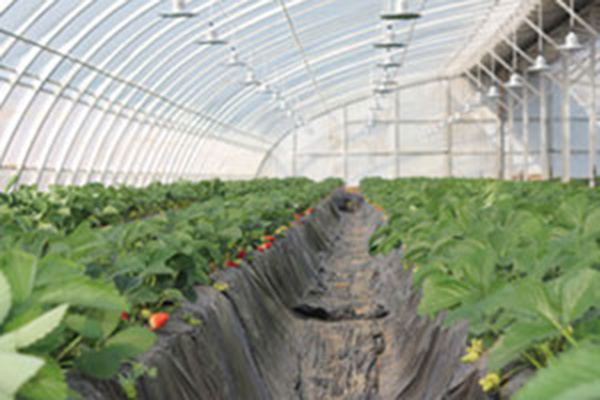
Greenhouse cultivation has revolutionized modern agriculture by allowing growers to control environmental conditions. However, one persistent challenge faced by farmers worldwide is condensation — water droplets forming on the interior surface of greenhouse films. This is where anti-fog films come into play. In this in-depth analysis, we explore the product features of anti-fog agricultural films, how they work, and why they are essential for maximizing crop productivity.
What Are Anti-Fog Films?
Anti-fog films are specialized plastic films treated with advanced surface-active additives that prevent water vapor from condensing into large droplets. Instead, the moisture spreads into a thin, continuous, transparent layer that flows down along the film surface. This technology is particularly valuable for greenhouses, high tunnels, and polytunnels where humidity levels are consistently high.
Key Product Features of Anti-Fog Films
1. Superior Droplet Prevention
The primary feature of anti-fog film is its ability to eliminate droplet formation. Standard greenhouse films allow condensation to form large water droplets that:
- Drip onto plant foliage, causing fungal diseases like botrytis and powdery mildew.
- Reduce light transmission by up to 20-30%.
- Create uneven temperatures inside the greenhouse.
Anti-fog additives modify the surface tension of the film, causing condensation to form a uniform, transparent water layer that runs down the sides harmlessly.
2. Enhanced Light Transmission
Clean, droplet-free film surfaces allow maximum photosynthetically active radiation (PAR) to reach crops. Anti-fog films typically maintain 85-90% light transmission even under high humidity conditions. Better light penetration translates directly into:
- Faster plant growth
- Higher photosynthetic activity
- Improved fruit set and quality
3. Long-Lasting Anti-Fog Durability
Quality anti-fog films — such as those manufactured by Riki — use migration-controlled additive technology. This ensures the anti-fog properties last for 12 to 24 months or more, depending on the film thickness and environmental conditions. Unlike cheaper alternatives where anti-fog effects fade within a few months, premium films provide season-long or multi-season protection.
4. UV Stabilization
Most anti-fog films are co-extruded with UV stabilizers and antioxidants. These additives prevent the film from degrading under prolonged sunlight exposure. UV stabilization ensures:
- Extended film service life (typically 2 to 4 years)
- Maintained mechanical strength
- Consistent anti-fog performance over time
5. Anti-Dust and Self-Cleaning Properties
Many anti-fog films also incorporate anti-dust additives that reduce static charge on the film surface. This minimizes dust accumulation, which can otherwise block sunlight. Some premium variants offer a self-cleaning effect during rain or irrigation.
6. Multilayer Co-extrusion Structure
High-end anti-fog films use three-layer or five-layer co-extrusion technology. This allows manufacturers to:
- Place anti-fog additives only in the inner layer (facing the greenhouse interior)
- Place UV stabilizers in the outer layer (facing the sun)
- Add IR (infrared) retention additives to reduce heat loss at night
This layered approach maximizes performance while minimizing additive costs.
How Anti-Fog Films Benefit Crop Production
| Benefit | Explanation |
|---|---|
| Reduced Fungal Diseases | No dripping water on leaves means lower risk of botrytis, downy mildew, and leaf spot. |
| Higher Yields | Improved light penetration and disease-free foliage lead to 15-25% higher yields in many crops. |
| Earlier Harvests | Warmer, drier conditions and better light accelerate crop maturation. |
| Lower Pesticide Use | Fewer fungal outbreaks reduce the need for chemical fungicides. |
| Cleaner Working Environment | No dripping water on workers or equipment inside the greenhouse. |
| Better Fruit Quality | Tomatoes, cucumbers, peppers, and strawberries develop fewer blemishes and rot spots. |
Ideal Crops for Anti-Fog Films
Anti-fog films are particularly beneficial for:
- Tomatoes & Peppers – Highly sensitive to fungal diseases from dripping condensation.
- Cucumbers & Melons – Require high humidity but suffer from leaf wetness.
- Strawberries – Fruit rot is a major issue; anti-fog films reduce moisture on berries.
- Leafy Greens (Lettuce, Spinach, Kale) – Need clean, dry leaves for market quality.
- Ornamentals & Flowers – Blemish-free petals command higher prices.
- Seedling Nurseries – Young plants are vulnerable to damping-off diseases.
Anti-Fog Film vs. Standard Film: A Quick Comparison
| Feature | Standard Greenhouse Film | Anti-Fog Film |
|---|---|---|
| Condensation | Large water droplets | Thin, transparent water layer |
| Light Transmission | Drops by 20-30% when foggy | Remains 85-90% |
| Disease Risk | High | Low |
| Pesticide Requirement | Frequent | Reduced |
| Crop Yield | Baseline | 15-25% higher |
| Film Cost | Lower | Moderate premium |
| Payback Period | N/A | Typically 1 season |
Installation and Usage Tips
To get the most from your anti-fog film:
- Install the correct side facing inward – The anti-fog layer is usually on the inner surface. Check manufacturer instructions.
- Maintain proper greenhouse ventilation – Anti-fog films work best when combined with adequate airflow.
- Avoid abrasive cleaning – Scrubbing the inner surface can damage anti-fog additives.
- Replace films according to lifespan – Even high-quality anti-fog films lose effectiveness after 2-4 years.
- Store rolls properly – Keep films in cool, dry conditions before installation to prevent additive migration.
Why Choose Riki Anti-Fog Films?
At Riki, our anti-fog films are manufactured using advanced three-layer co-extrusion technology with premium anti-fog masterbatches and UV stabilizers. We offer:
- Thickness options from 80 to 200 microns
- Widths up to 16 meters
- Lifespan of 24+ months under normal conditions
- Optional IR retention for night-time thermal insulation
- Competitive pricing for wholesale and container orders
Conclusion
Anti-fog films are no longer a luxury — they are a necessity for professional greenhouse growers aiming to maximize yields, reduce disease pressure, and improve fruit quality. By investing in high-quality anti-fog films from a trusted manufacturer like Riki, farmers can expect a rapid return on investment through higher production and lower chemical costs.
Whether you grow tomatoes in Spain, cucumbers in Canada, or strawberries in California, anti-fog film technology will transform your greenhouse performance.
Ready to upgrade your greenhouse with Riki anti-fog films? Contact our team for a quote or technical consultation.
More Articles